

There’s a whole new way to add the icing on the cake when it comes to maximizing your fitness and nutrition, and it’s pretty exciting. What are we talking about? Peptides. You might have even heard some buzz around peptides for weight loss.
If you’re looking to lose weight, burn fat, or upgrade your health to the next level, you’re probably starting to hear some discussion surrounding peptides, so let’s dive right in.
We’re now developing a whole new understanding of exactly what peptides can do and how they can be used for strength, recovery, and a whole list of other benefits. In fact, it’s so recent that we are still on the frontier, and it’s worth learning even more.
Let’s take a look at what all the hype is about.
What Are Peptides?
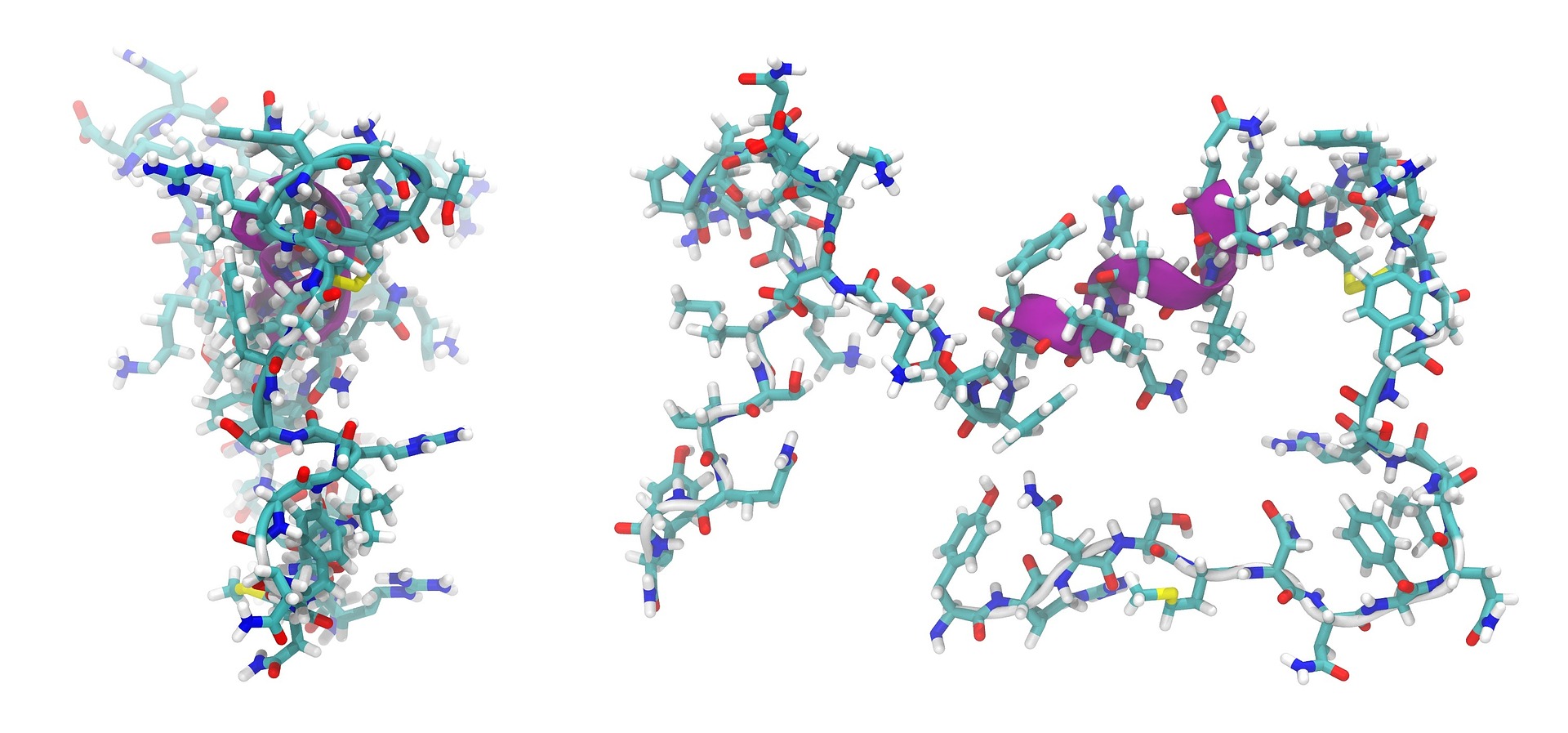
Peptides are naturally occurring biological molecules, found in all living organisms. They play an essential role in all types of biological activity. Simply put, they’re a smaller version of protein. Peptides have different jobs within the cellular tissue, therefore we are able to pinpoint targeted uses for each type of peptide.
There are 20 naturally occurring amino acids which we can combine into an immense variety of different molecules, a lot like alphabet letters that then combine into various words. How many of these molecules create a particular chain determines whether it’s a peptide, a polypeptide, or a protein, all of which have their identifying properties.
Peptides are molecules composed of 2-50 amino acids. Polypeptides are made of 50-100 amino acids and proteins are made of more than 100 amino acids. Peptides are signaling agents or hormones, and have very precise, specific functions.
The way we apply those functions to supplement or amplify the body’s internal processes is what makes peptide therapy such an exciting development in the course of optimizing health.
Hundreds of naturally occurring peptides have been identified, and scientists are studying and developing more every month. Peptides have a wide range of functions under study, including:
- Weight loss
- Muscle building
- Immune function
- Wound healing
- Cognitive function and memory
- Gut health
- Sexual performance and libido
- Skin rejuvenation
- Hair growth
- Bone and joint health
- Cancer
Today we’ll focus on peptides that have the greatest effect on weight loss.
Growth Hormone-Releasing Hormones
Here is a bit more needed information about Growth Hormone (GH). The pituitary gland secretes GH. The hypothalamus makes GH Releasing Hormone (GHRH) that controls release.
GH has a profound effect on fat breakdown, muscle building, blood sugar regulation, sleep, and immune function. It works directly, but also works through stimulating production of IGF-1.
What makes it even more complicated is that GHRH has an effect on weight loss directly as well. It works peripherally just like GH to improve lipolysis (fat breakdown) and muscle development.
People previously took GH itself to achieve these benefits, but this actually suppresses GHRH release, thereby reducing its effect. So the newer generation of peptides is used to work around that suppression.
As we age, the hypothalamus produces a hormone called somatostatin, which blocks the pituitary from releasing GH. As somatostatin levels rise, GH levels decrease. Anything we can do to reduce somatostatin levels will help GH levels.
GH-releasing peptides (GHRPs for short), also called ghrelin mimetics, stimulate weight loss by directly improving your body’s process for breaking down fat (lipolysis). They also increase GH release, which helps build muscle and burn fat through 2 mechanisms: direct stimulation of GH release as well as inhibition of somatostatin, which again blocks GH release.
Are Peptides Similar to Steroids?
Peptides have become the frontier of biohacking, with peptide therapies offered via injection, sprays, creams, and pills by medical professionals. Legal status depends on the specific peptide, how it is obtained, and how it is used. A clinician can prescribe and supervise some peptide therapies, but many peptides are restricted, investigational, or banned in competitive athletic sports because they may confer an unfair advantage.
To be clear, peptides are not steroids or testosterone.
If you are interested in the relationship between testosterone and weight, read my article “How To Lose Weight For Healthy T Levels“.
Compared to steroids and testosterone, touted for their fast benefits (and potential side effects), peptides won’t turn you into the Hulk overnight. Peptides are more of a “slow burn” support to enhance your existing healthy lifestyle, but they are not meant to replace time at the gym. While peptides may help you burn fat while you eat, socialize, and even sleep, you must combine them with other lifestyle factors over several months to see the best results. In other words, you still have to eat right and get proper exercise.
Which Peptides for Weight Loss Are the Best?

In the world of health and fitness, peptides have become a popular option for burning fat, building muscle, increasing energy, and improving athletic ability. A review available through the National Institutes of Health discusses peptides as potential agents in the treatment of obesity.
Some peptides (the ones considered performance-enhancing drugs, for example) are often more experimental than others. Here are a few different peptide hormones that are discussed for weight loss and performance. I’ve arranged them from most-studied to more experimental.
CJC-1295
CJC-1295 is a synthetic GHRH chain constructed with 30 amino acids. Through increased protein synthesis, research has reported benefits that may include increased fat loss, cellular repair, cellular regeneration, and muscle growth. Researchers have also reported that it can promote the type of deep, slow-wave sleep that facilitates muscle growth and memory retention.
As with any GHRH-based peptide, dosage, timing, and cycle breaks matter, because the body can adapt or “get used to” the therapy, reducing its overall effect. One dose of CJC-1295 has been reported to raise GH levels for 6 days, in a pulsatile fashion, which is the pattern many clinicians prefer. A qualified physician should determine whether this therapy is appropriate and how it should be used.
Tesamorelin (GHRH Peptide)
Tesamorelin is another GHRH (Growth Hormone-Releasing Hormone) peptide that stimulates the pituitary gland to increase growth hormone secretion. Tesamorelin is often described as more potent than CJC-1295, and it has been reported to raise IGF-1 levels by as much as 150 points.
This peptide is FDA-approved for lipodystrophy (when the body is unable to produce and maintain healthy fat tissue), including in people with HIV who develop lipodystrophy from some of the medicines they take, which can increase abdominal fat. Tesamorelin is among the most highly researched peptides for fat loss, however it is not normally prescribed as a weight loss medication.
Ipamorelin
Ipamorelin is a growth hormone releasing peptide (GHRP) that works a little bit differently than the GHRH peptides. Ipamorelin works by inhibiting somatostatin, thus taking the “brakes” off GH production. Unlike some other GHRPs, Ipamorelin is often described as not increasing your sense of hunger. Peptides such as GHRP-2 and GHRP-6 do increase hunger, so they have often been used at night right before bed; otherwise, increased hunger could have the opposite effect if you’re trying to lose weight.
A lot of people have moved to Ipamorelin because it is used to support fat metabolism with fewer reported side effects, and because it can be combined with other peptides as well. It is also discussed for effects on energy, and some clinicians have used it longer term, up to a year. In the past, many peptides required in-office or self-administered injections. Some clinics now offer Ipamorelin as a sublingual tablet taken under the tongue, often before bed to coincide with the body’s natural growth hormone spike.
The combination of CJC-1295 and Ipamorelin (“CJC/IPA”) is used because Ipamorelin is blocking somatostatin, and some clinicians consider the combination a stronger response than either one alone.
Some protocols use nighttime dosing to support overnight GH release, and avoid carbs or fat intake within 2 hours of dosing. Speak with a qualified physician about whether this is appropriate for you. Do not start, dose, or combine peptides on your own.
Amlexanox/TTA
Amlexanox is an anti-inflammatory compound that has been studied for appetite suppression. Combined with Tetradecylthioacetic Acid (a fatty acid, TTA for short), it is used in some protocols that aim to help regulate how much fat the body stores by influencing the genes that control metabolism. TTA has been described as helping people feel full more quickly, decreasing overall hunger, and supporting fat burning. In addition to its proposed role in fat metabolism, this fatty acid has been described as having antioxidant, anti-inflammatory, and immunity-supporting properties.
BPC-157
First, a warning. If you’re a competitive athlete, this compound is likely classed as a performance-enhancing drug, and you could get disqualified if you take it.
BPC stands for Body Protecting Compound, and that name is often used to describe its intended role.
It’s a newer peptide with less human research. Animal studies, including in rats, have reported effects related to healing, such as work on Achilles tendons, knee ligaments, and gut integrity. Those findings should not be treated as proof of the same results in people. Anecdotal reports exist, but they are not a substitute for clinical evidence, and “no side effects” is not a claim this article can support.
Although the research interest is more focused on healing than on fat loss, faster recovery from injuries could mean less downtime, which matters if the goal is to stay consistent and keep weight from creeping back on.
How Fast Can I See Results From Peptides?
Your results depend on many factors. First, you should only take peptides under the supervision of a medical practitioner as a part of a larger weight management plan. The number one thing to do is to really manage your diet and cook your own food so you can control what you’re eating. It’s been said that great abs are made in the kitchen, and the same is true of our overall health: it all starts with what’s on your fork. As exciting as peptide therapy can be, it’s no magic wand.
Balancing your other hormone levels is important, too. When you optimize hormone and thyroid levels, you may experience synergistic effects. If you have all that dialed in, you’re eating well, and you’re sleeping eight hours per night, some people report results within a few weeks, especially with Tesamorelin. Ipamorelin is a more gradual peptide, and some people report that it may take 3-6 months to begin to show its effect.
Speak to your doctor about whether a peptide is appropriate for your goals, and about any dosing questions. This article is not a dosing guide.
We’ve discussed some of the reported benefits of peptides, and some of them sound remarkable. Outside of weight loss and muscle gain, studies have explored faster healing, more energy, improved sleep, and even increased libido. Growth hormone production decreases as we age, so researchers have also looked at peptides in the context of neurological function. That research is ongoing, and peptides should not be viewed as a way to prevent Alzheimer’s disease or any other condition.
Used incorrectly, though, peptides have the potential to cause side effects of varying degrees.
Side Effects of Peptides
Peptide therapies can cause side effects, and they are not simply the same as the peptides present in everyday foods. Some people tolerate certain peptide treatments well, but that is not a guarantee, and “unlikely to cause serious side effects” is not a claim that applies to every peptide or every person. As with any treatment, it’s always wise to exercise caution and work in tandem with your doctor. Medical News Today has a general overview of peptide side effects that you can read alongside medical advice, not in place of it.
It would be inaccurate to say that research has ruled out cancer risk for every peptide. If you have any pre-existing medical conditions, you could be at risk of adverse effects or interactions with other medications.
How to Purchase Peptides
You may be wondering if you can just purchase peptides from a store or the internet.
You can find products marketed that way, but it’s really important to remember that there can be some questionable manufacturers that make it tough to sort out which are good and which are not.
The purity of products is a critical aspect of peptide therapy, and that means that without knowing for sure, you could run the risk of sub-par or ineffective compounds.
Quality control can be an issue for the everyday buyer, therefore you could potentially purchase contaminated or dangerous compounds manufacturers have created without appropriate regulation.
In the United States, access to prescription peptide therapies is limited, and compounding rules and FDA oversight continue to change. Many products sold as “peptide supplements” are not regulated in the same way as approved medications, so it’s important to apply awareness to that and exercise caution by running it past your doctor in advance.
At Peak Launch, we can discuss whether peptide therapy belongs in a well-balanced plan for you. Remember, peptides are not a fix-all. They don’t replace good nutrition, sleep, stress management, fitness, and other foundations of health. In a sense, peptides are the icing on the cake.
Want the Peak Launch Peptide Guide? Get the guide here.
Conclusion
Peptides and peptide therapy are evolving tools. Under medical supervision, they may be one part of a plan to support your health and reduce inflammation. Learning new ways to target and use peptides, polypeptides, and proteins is part of a broader shift toward better health.
If you’re interested in upgrading your health, you’ll want to keep a close eye on the power of peptides and consider whether these therapies belong in your regimen, with guidance from a qualified physician. After all, when it comes to living a better life over a longer span of time, we’re looking at brand new ways to do just that, and the sky’s the limit.
The best place to start if you want a hormonal optimization or peptide program is by seeing a physician first.
If you are tired of being tired, or you have tried everything to lose that unwanted weight but nothing seems to be working, peptide therapy might be one piece of the puzzle. Schedule a strategy call to talk it through.
Ready to Take the Next Steps?
You’ll get time to talk through your goals and whether a personalized plan is the right next step.
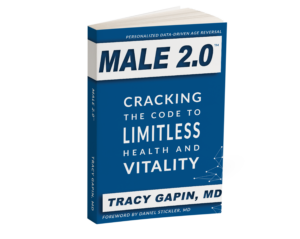 Male 2.0, by Tracy Gapin, MD, challenges outdated ideas about men’s health and performance. It is a book about that subject; this article is written for a general reader.
Tracy Gapin, MD, FACS, is a physician, author, and professional speaker with 25+ years in medicine. Using biometric monitoring, nutrition, and lifestyle intervention, he coaches Fortune 500 executives and leaders in business, sports, and high performance. He specializes in precision medicine with an emphasis on epigenetics, providing a personalized path to optimizing health and performance.
This article is for educational purposes only and is not medical advice. Some peptides discussed are investigational or are not FDA-approved for the uses mentioned. Talk with a qualified healthcare professional before starting any peptide, medication, or supplement.